How Power Purchase Agreements (PPAs) Support CSRD Compliance and Corporate Sustainability
Did you know that Power Purchase Agreements (PPAs) not only help stabilize your energy costs, but...
By: Johannes Fiegenbaum on 5/21/25 10:12 AM
As organisations face mounting pressure to decarbonise operations whilst managing volatile energy costs, power purchase agreements have emerged as a strategic tool for achieving both financial stability and sustainability targets. This comprehensive guide examines how PPAs enable long-term cost predictability, regulatory compliance, and authentic carbon footprint reduction, drawing on current market trends and best practices across European and global markets.
A power purchase agreement is a long-term contract between an energy buyer and a renewable energy producer that establishes fixed terms for electricity supply over a predetermined period, typically ranging from 10 to 25 years. Under this arrangement, the purchasing company commits to buying electricity generated from renewable assets at an agreed price, providing both parties with predictable revenue streams and cost certainty.
The power purchase agreement structure fundamentally differs from traditional utility contracts. Rather than purchasing electricity at fluctuating market prices, energy buyers secure fixed rates or predetermined pricing mechanisms that shield them from wholesale market volatility. This arrangement has become particularly attractive as companies pursue net-zero commitments whilst managing operating risks associated with energy price fluctuations.
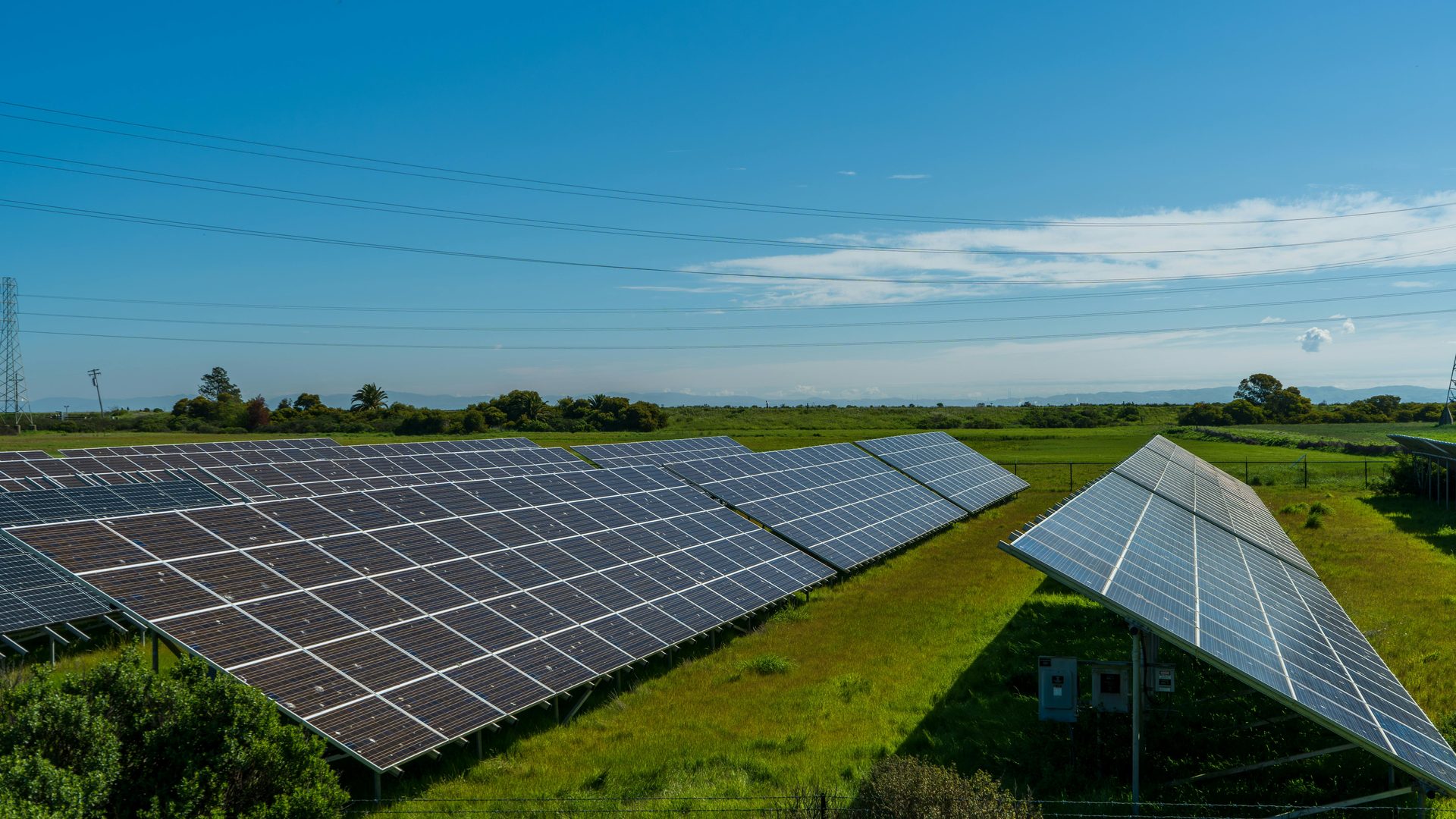
Power purchase agreements operate through several distinct mechanisms depending on the contract structure. In onsite configurations, an energy service provider installs a solar energy system or other renewable generation on the customer's property. The host customer then purchases the system's electric output at rates typically below utility company charges, without bearing upfront capital costs for installation or ongoing maintenance responsibilities.
For offsite arrangements, the power producer generates electricity at a remote location, with delivery occurring either through direct physical supply via the grid or through virtual settlement mechanisms. In physical PPAs, the electricity generated flows directly to the energy buyer through established transmission infrastructure, whilst synthetic PPAs operate purely financially, with renewable energy certificates transferred separately from physical power delivery.
The financial structure typically involves a fixed price per megawatt hour or an annual price escalator that provides cost predictability whilst accounting for inflation. This pricing mechanism creates value for both parties: generators secure project financing through guaranteed offtake, whilst corporate energy buyers lock in rates that increasingly undercut conventional utility serving costs as renewable generation costs continue declining.
The European corporate PPA market has experienced fundamental structural transformation over the past two years. Corporate PPA volumes have declined substantially from previous peak levels, with Germany and France witnessing particularly pronounced contractions. Meanwhile, utility-backed power purchase agreements have expanded dramatically to fill market gaps, reflecting a significant shift in risk appetite and market structure.
Several factors drive this market evolution. Negative pricing events now occur during substantial portions of annual operating hours in solar-heavy markets, fundamentally challenging traditional PPA economics. Solar cannibalization effects—where concentrated renewable generation during peak production hours suppresses wholesale prices—have intensified, reducing capture rates and making fixed-price contracts less attractive to generators without sophisticated hedging strategies.
Despite overall market contraction, battery energy storage system integration has emerged as one of the most dynamic segments. BESS PPA volumes have more than tripled in recent periods, reflecting storage technology's ability to address price cannibalization whilst providing more baseload-like delivery profiles that better match corporate consumption patterns. For detailed analysis of storage investment trends, explore our solar energy and battery storage guide.
Onsite power purchase agreements involve installing renewable generation—typically solar panels or small wind turbines—directly on the host customer's property. Under this arrangement, a third-party developer owns and operates the PV system, whilst the customer purchases the generated power at predetermined rates throughout the contract term.
This model offers several compelling advantages. Companies eliminate upfront capital costs associated with renewable energy project development, avoiding property taxes and system ownership responsibilities. The energy service provider takes on all operating risk, including system performance guarantees and maintenance obligations. Host customers typically realise immediate savings compared to utility rates, with the additional benefit of hedging against future electricity cost increases.
Onsite solar PPAs prove particularly advantageous for organisations with high daytime electricity consumption patterns that align well with solar generation profiles. Manufacturing facilities, data centres, and commercial properties with significant roof or land area often achieve the strongest financial benefits from this structure. For more information on sustainable facility management, visit our ESG compliance guide.
Offsite power purchase agreements source electricity from renewable energy projects located remotely from the customer's consumption point. These arrangements have become the dominant corporate PPA structure globally, enabling organisations to support large-scale renewable energy financing without requiring suitable onsite installation capacity.
Two primary categories exist within off-site PPAs. Physical PPAs involve direct physical delivery of electricity through the grid, with the power producer delivering generated power to the purchasing company's balancing group. The energy buyer receives both the electricity and associated renewable energy certificates, enabling robust carbon footprint reduction claims.
Virtual PPAs, conversely, operate as purely financial instruments. Under a synthetic PPA structure, the generator sells electricity at prevailing market prices, with the buyer and seller exchanging payments based on the difference between the agreed strike price and actual wholesale rates. The purchasing company continues receiving electricity from its existing utility serving arrangements, whilst acquiring renewable energy certificates separately to substantiate clean energy claims.
Hybrid power purchase agreements combining renewable generation with battery storage represent one of the fastest-growing PPA contract structures. These arrangements integrate solar energy systems or wind turbines with energy storage, enabling more sophisticated value capture and risk management than standalone renewable assets.
The hybrid model addresses several critical challenges simultaneously. Battery integration mitigates negative price exposure by enabling generators to withhold supply during low-price periods and discharge during higher-value hours. This capability dramatically improves project economics, with solar-plus-storage configurations demonstrating substantially enhanced capture prices compared to generation-only assets.
Revenue stacking creates additional financial benefits. Hybrid projects can simultaneously participate in energy markets, provide ancillary services, and receive capacity payments—multiple income streams that improve overall project returns and strengthen creditworthiness for power purchase agreement financing. For energy buyers, hybrid PPAs deliver more predictable and baseload-like supply profiles that better match consumption patterns, reducing balancing group management complexity.
The storage component also facilitates participation in emerging market mechanisms. As European electricity markets evolve to value flexibility and system services, hybrid PPAs position both generators and corporate energy buyers to benefit from premium pricing during peak demand periods whilst supporting grid stability objectives. Our analysis of climate-friendly investment opportunities explores these emerging value streams in detail.
Traditional baseload PPAs involve the power producer nominating a pre-agreed delivery quantity each day, with the generator bearing responsibility for matching actual output to contracted volumes. When the renewable energy project produces more or less than committed quantities, the seller must purchase shortfalls from wholesale markets or sell excess generation elsewhere.
This structure offers purchasing companies maximum predictability for electricity consumption planning and budget management. Energy costs remain fixed regardless of market price fluctuations, enabling precise financial forecasting. Baseload arrangements prove particularly valuable for organisations with steady consumption profiles and limited internal resources for managing variable generation.
However, the baseload model places significant market risks on generators, particularly for intermittent renewables. To compensate, power producers typically demand higher PPA prices compared to pay-as-produced structures. Additionally, baseload commitments may prove challenging during periods of extended low generation, requiring generators to maintain sophisticated hedging strategies or face substantial balancing costs.
Pay-as-produced power purchase agreements align payment obligations directly with actual electricity generated by the renewable energy project. Under this structure, the host customer purchases whatever volume the system produces, typically subject to minimum availability guarantees from the generator regarding system performance.
This approach transfers volume risk to the energy buyer, who must secure supplementary supply to cover consumption when generation falls short. However, pay-as-produced structures typically command lower prices than baseload alternatives, as generators avoid wholesale market exposure for balancing obligations.
The pay-as-produced model suits organisations with flexible consumption patterns, multiple supply sources, or sophisticated energy management capabilities. Companies already operating balancing groups or managing renewable energy portfolios often prefer this structure, as it maximises actual renewable generation utilisation whilst minimising premium costs associated with baseload guarantees.
Given increasing market volatility, many contemporary power purchase agreements incorporate sophisticated volume flexibility provisions. Collar structures establish minimum and maximum offtake obligations, providing generators with baseline revenue certainty whilst giving corporate energy buyers protection against excessive take-or-pay commitments during low consumption periods.
These mechanisms prove particularly valuable for companies experiencing business cycle volatility or managing multiple facilities with variable demand. Rather than rigid fixed volumes, collar arrangements enable organisations to scale renewable energy procurement in line with actual electricity consumption, reducing liquidity risk whilst maintaining long-term renewable energy financing support for project developers.
Negative electricity prices have become a structural feature of European power markets, occurring during substantial portions of annual operating hours in regions with high renewable penetration. These events fundamentally challenge traditional power purchase agreement economics, potentially eroding generator revenues and creating complex settlement scenarios for physical delivery contracts.
Several contractual mechanisms address negative price exposure. Floor provisions establish minimum settlement prices, protecting generators from excessive revenue erosion whilst typically requiring premium pricing to compensate corporate energy buyers for this downside protection. Negative price stop-loss clauses enable generators to cease delivery during negative pricing periods, though this approach reduces renewable energy certificate generation and may complicate carbon footprint accounting for purchasing companies.
More sophisticated arrangements incorporate dynamic pricing bands that adjust PPA prices based on broader market conditions. These structures enable risk sharing between generators and buyers, with both parties benefiting from high-price periods whilst mitigating exposure during market dislocations. For analysis of commodity market volatility management, see our guide on climate risks in commodity markets.
Solar cannibalization effects—where concentrated renewable generation during peak production hours suppresses wholesale prices—present ongoing challenges for solar power purchase agreements. As solar penetration increases, capture rates (the ratio of achieved prices to average market prices) decline, reducing project economics and potentially undermining fixed-price PPA viability.
Hybrid configurations with battery storage directly address this challenge. By shifting generation from oversupplied periods to higher-value hours, storage integration substantially improves capture rates and reduces merchant market exposure. Additionally, diversified renewable portfolios combining solar and wind assets create more balanced generation profiles that mitigate technology-specific cannibalization effects.
The long-term nature of power purchase agreements creates substantial counterparty credit exposure for both parties. Generators require confidence in purchasing companies' ability to honour payment obligations over 10-20 year contract terms, whilst corporate energy buyers need assurance regarding generator operational capability and solvency.
Several mechanisms address these concerns. Parent company guarantees, letters of credit, and reserve accounts provide financial security for generators. For buyers, step-in rights and replacement provisions enable contract continuation even if the original generator encounters financial difficulty. Additionally, utility-mediated PPA structures—where established utilities provide credit enhancement—increasingly enable smaller energy buyers to access renewable energy procurement without raising generator counterparty concerns.
Power purchase agreements have evolved from operational procurement decisions to strategic sustainability instruments central to CSRD compliance. Under ESRS E1 climate reporting requirements, organisations must comprehensively document their renewable energy procurement, including PPA structures, renewable energy certificate sources, and the distinction between market-based and location-based Scope 2 emissions accounting.
The EU Omnibus Package reinforces focus on high-quality metrics rather than sheer data volume, elevating PPAs as clearly documentable levers for transition plans and emission reduction pathways. Companies must demonstrate how renewable energy procurement aligns with decarbonisation targets, including detailed documentation of renewable energy financing contributions to additional generation capacity.
CSRD's double materiality requirements make PPAs integral to both environmental impact reporting and financial risk management disclosure. Organisations must address how renewable energy procurement mitigates climate-related financial risks, including exposure to carbon pricing mechanisms and fossil fuel price volatility. For comprehensive CSRD guidance, explore our materiality screening resource.
Robust energy attribute certificate tracking has become essential for credible renewable energy claims under CSRD. Companies must maintain detailed records linking renewable energy certificates to specific generation assets, time periods, and consumption profiles. The directive specifically distinguishes between bundled certificates (accompanying physical electricity delivery) and unbundled certificates purchased separately.
Recent scrutiny of unbundled certificate practices—particularly following analyses showing major technology companies sourcing substantial renewable energy through certificate-only purchases—has elevated the importance of authentic renewable energy procurement. The 24/7 carbon-free energy movement responds directly to these concerns, advocating for hourly matching between consumption and clean generation rather than annual balancing.
CSRD reporting must transparently disclose the proportion of renewable energy sourced through different mechanisms: direct generation from owned assets, physical PPAs with bundled certificates, virtual PPAs with separate certificate transfer, and unbundled certificate purchases without accompanying physical delivery. This granularity enables stakeholders to assess the authenticity and additionality of corporate renewable energy claims.
Power purchase agreements serve as concrete evidence of operational decarbonisation efforts within CSRD transition plans. Rather than aspirational commitments, long-term PPAs demonstrate tangible investment in renewable energy infrastructure and measurable progress toward emission reduction targets.
Effective transition plan disclosure should quantify the carbon footprint reduction attributable to PPA procurement, project future renewable energy scaling trajectories, and explain how procurement strategies address sector-specific emission profiles. Additionally, companies should articulate how PPAs align with Science Based Targets initiative frameworks and contribute to broader net-zero pathway achievement.
For organisations subject to CSRD reporting, PPA strategy documentation should include assessment of renewable energy project additionality, explanation of renewable energy certificate quality criteria, and disclosure of any temporal or geographic mismatches between generation and consumption. This comprehensive approach demonstrates sophisticated sustainability management and addresses evolving stakeholder expectations regarding renewable energy procurement authenticity. Detailed guidance on CSRD climate risk reporting explores these requirements further.
The 24/7 carbon-free energy movement represents a significant evolution beyond traditional annual renewable energy certificate matching. Rather than simply ensuring annual consumption equals annual clean generation, this approach matches every hour of electricity consumption with carbon-free generation during that same hour, providing far more accurate carbon accounting and authentic decarbonisation claims.
Technology leaders including Google and Microsoft have pioneered hourly matching approaches, driven by recognition that traditional annual matching obscures periods when companies consume fossil-fuelled electricity. When renewable generation occurs primarily during daytime hours but consumption continues around the clock, annual certificate matching creates a misleading picture of actual grid carbon intensity during consumption periods.
Implementation requires sophisticated forecasting capabilities, diverse renewable portfolios spanning multiple technologies and geographic regions, and substantial energy storage integration to shift clean generation into consumption-aligned time periods. These requirements drive innovation in PPA contract structures and accelerate development of hybrid renewable-plus-storage projects capable of delivering more consistent carbon-free electricity throughout daily and seasonal cycles.
European markets are advancing 24/7 carbon-free energy frameworks through multiple initiatives. The 24/7 CFE Hub, supported by organisations including Eurelectric, provides practical guidance for organisations implementing hourly matching strategies. Parallel regulatory developments—including refinements to the Renewable Energy Directive and introduction of time-stamped Guarantees of Origin—create infrastructure necessary for robust hourly tracking.
Modelling studies demonstrate that CFE scores in the 80-90% range (representing the proportion of consumption matched with clean generation on an hourly basis) can be achieved with relatively modest cost premiums compared to traditional annual matching. However, approaching 100% CFE requires substantially higher system costs, driving investments in long-duration energy storage, dispatchable clean generation, and advanced grid management capabilities.
For companies pursuing leadership positions in corporate sustainability and preparing for enhanced CSRD requirements, 24/7 matching offers a pathway toward more authentic decarbonisation claims. This approach addresses growing stakeholder scepticism regarding unbundled renewable energy certificates whilst driving material investment in the flexible, storage-enhanced grid infrastructure necessary for high-renewable electricity systems. Our analysis of AI energy demand and sustainable data centres explores these infrastructure requirements in detail.
Small and medium enterprises historically faced substantial barriers to power purchase agreement participation, including minimum volume requirements that exceeded their electricity consumption, limited internal resources for complex contract negotiation, and inadequate credit profiles for generator counterparty acceptance. Aggregated procurement models have emerged as effective solutions to these constraints.
Under aggregation structures, multiple smaller energy buyers pool demand to achieve scale necessary for viable renewable energy project development. Platform providers coordinate the consortium, manage contract negotiations, and handle ongoing administration, enabling participating companies to access renewable energy procurement benefits without dedicated energy management teams.
Brand-driven aggregated PPAs represent a particularly promising variant. Major corporations convene supplier consortiums, facilitating renewable energy procurement across their supply chains whilst addressing Scope 3 emissions. This approach enables large companies to drive sustainability throughout their value chains whilst providing smaller suppliers access to renewable energy financing they could not otherwise access.
Utility-mediated power purchase agreements provide another pathway for SME market participation. Under these arrangements, established utilities sign longer-term agreements with renewable energy projects, then offer fixed-price electricity supply to smaller corporate customers through shorter-term standardised contracts.
This structure addresses multiple SME barriers simultaneously. Utilities provide investment-grade payment guarantees necessary for renewable energy financing, eliminating generator concerns regarding smaller buyer creditworthiness. Standardised contract terms reduce negotiation complexity and legal costs that might otherwise prove prohibitive for smaller organisations. Additionally, utilities handle balancing group management, renewable energy certificate administration, and ongoing contract administration.
Whilst utility-mediated structures typically command modest premiums compared to direct bilateral contracts, they dramatically expand market access. For SMEs pursuing renewable energy procurement as part of broader ESG strategies, these simplified pathways enable authentic clean energy claims without resource-intensive direct PPA negotiation. Our guide to VSME sustainability reporting explores how renewable energy procurement integrates with SME sustainability frameworks.
Effective power purchase agreement strategy begins with comprehensive energy needs assessment. Organisations must analyse consumption patterns across facilities, identify load profiles and seasonality, and project future electricity demand based on growth trajectories and operational changes.
This analysis should encompass not merely total annual consumption but hourly and seasonal variation. Companies with predominantly daytime consumption may achieve stronger value from solar power purchase agreements, whilst organisations with more consistent baseload demand might prioritise hybrid configurations or diversified renewable portfolios. Additionally, growth plans—including facility expansions, electrification initiatives, or operational scaling—materially impact optimal PPA sizing and contract structures.
Geographic considerations prove equally critical. Multi-site organisations must evaluate whether centralised procurement through a single large-scale offsite PPA offers advantages over distributed onsite or multiple smaller contracts. Grid connectivity, renewable resource availability, and local regulatory frameworks all influence optimal geographic sourcing strategies.
Robust financial analysis underpins sound PPA decision-making. Companies should model projected costs under multiple scenarios: traditional utility serving, various PPA structures, and potential hybrid approaches combining multiple procurement sources.
This analysis must extend beyond simple per-megawatt hour cost comparison. Comprehensive evaluation should incorporate upfront capital costs or lack thereof, ongoing operational obligations, volume risk exposure, price escalation mechanisms, and contract exit provisions. Additionally, organisations should assess how different structures impact financial statement presentation, particularly given recent IFRS guidance on PPA accounting treatment.
Risk assessment constitutes a critical financial analysis component. Companies must evaluate counterparty credit risk, volume delivery uncertainty, regulatory change exposure, and potential contract performance issues. For organisations lacking sophisticated energy risk management capabilities, structures that transfer more risk to experienced generators or utilities may prove preferable despite potentially higher pricing.
Financial benefits extend beyond direct energy cost savings. Power purchase agreements can hedge against carbon pricing exposure, enhance ESG ratings with implications for cost of capital, and strengthen customer and investor relationships through demonstrated climate commitment. Comprehensive business cases should quantify these broader strategic value drivers alongside direct procurement economics. Our analysis of ESG and company valuation explores these connections in detail.
Armed with comprehensive needs assessment and financial analysis, organisations can identify optimal power purchase agreement structures. No single approach suits all companies; rather, effective procurement strategy aligns contract design with organisational characteristics, risk tolerance, and strategic priorities.
Organisations prioritising maximum cost certainty and minimal operational complexity typically favour baseload physical PPAs with established utility counterparties or creditworthy developers. This approach delivers predictable pricing and offloads balancing responsibilities, though typically at premium costs compared to more flexible structures.
Companies with sophisticated energy management capabilities and higher risk tolerance may prefer pay-as-produced structures or virtual PPAs that offer lower pricing in exchange for accepting volume variability and market exposure. These arrangements prove particularly attractive for organisations already managing renewable energy portfolios or operating internal balancing groups.
For organisations pursuing authentic 24/7 carbon-free energy commitments, hybrid PPAs combining renewable generation with battery storage offer the strongest pathway toward hourly matching. Whilst these structures may command pricing premiums, they deliver substantially enhanced carbon accounting accuracy and position companies as sustainability leaders addressing stakeholder concerns regarding renewable energy claim authenticity.
Successful PPA implementation requires meticulous contract negotiation addressing numerous operational and risk allocation provisions. Beyond headline pricing terms, critical contract elements include: performance guarantees and availability commitments from generators, force majeure provisions allocating responsibility for events beyond parties' control, change in law mechanisms addressing regulatory evolution, and dispute resolution procedures.
Due diligence processes should rigorously assess generator technical and financial capability, review renewable energy project development status and permitting, evaluate grid interconnection arrangements, and verify renewable energy certificate eligibility. For offsite physical PPAs, companies must additionally examine transmission arrangements, balancing group structure, and coordination mechanisms with existing electricity suppliers.
Legal and tax considerations merit careful attention. Power purchase agreements create complex accounting implications under IFRS 16 lease classification criteria, potentially triggering balance sheet recognition requirements. Additionally, jurisdictional variations in renewable energy incentive structures, including tax credits and feed-in tariffs, may influence optimal contract design and entity structuring.
Long-term PPAs require active ongoing management rather than "set and forget" approaches. Companies should establish clear governance frameworks defining roles and responsibilities for contract administration, performance monitoring, invoice validation, and renewable energy certificate tracking.
Regular performance reviews should assess whether generation aligns with projections, evaluate settlement accuracy, confirm renewable energy certificate delivery, and identify any emerging contract performance issues requiring resolution. Additionally, organisations should monitor evolving regulatory requirements that may necessitate contract amendments or supplementary documentation.
As organisational electricity consumption evolves through business changes, facility additions or closures, or operational adjustments, companies must evaluate implications for PPA alignment. Contracts should incorporate sufficient flexibility provisions—including volume bands, assignment rights, or early termination options—to accommodate reasonable business evolution without creating prohibitive constraints.
For organisations evaluating how power purchase agreements can advance decarbonisation targets whilst managing energy cost risks, I offer independent perspective unconstrained by vendor relationships or technology biases. My guidance helps companies navigate market complexity, avoid common implementation pitfalls, and structure procurement strategies that deliver enduring value. To learn more about my renewable energy procurement advisory services, visit my contact page.
What is a power purchase agreement?
A power purchase agreement is a long-term contract between a company and a renewable energy producer that establishes fixed terms for electricity supply over a predetermined period, typically 10-25 years. The purchasing company commits to buying electricity generated from renewable assets at agreed prices, providing both cost predictability and carbon footprint reduction. PPAs enable organisations to source clean energy without upfront capital costs for generation facility ownership.
Is a power purchase agreement a good idea?
Power purchase agreements offer substantial benefits for organisations pursuing cost stability and decarbonisation objectives. Financial advantages include hedging against electricity price volatility, eliminating upfront capital costs for onsite systems, and increasingly competitive pricing as renewable costs decline. Strategically, PPAs demonstrate concrete climate commitment, support CSRD compliance, and increasingly influence investor and customer perceptions. However, suitability depends on organisational consumption patterns, risk tolerance, and strategic priorities.
What is the downside of PPA?
Power purchase agreements involve several potential drawbacks. Long-term contracts create inflexibility if business circumstances change dramatically, potentially locking companies into commitments misaligned with evolved operations. Volume risk exposure—particularly in pay-as-produced structures—requires organisations to manage variable generation. Complex contracts demand sophisticated evaluation and ongoing administration resources. Additionally, current European market dynamics including negative pricing and reduced capture rates have increased PPA structuring complexity compared to simpler historical arrangements.
How do I get out of a solar power purchase agreement?
Exiting a solar power purchase agreement typically involves several potential pathways, though specific options depend on contract terms. Early termination provisions may enable exit subject to predetermined fees compensating the generator for lost revenue. Assignment rights allow transferring the contract to another party, though generator consent requirements vary. For onsite systems, property sales may trigger transfer obligations to new property owners. Companies should carefully review force majeure provisions, material breach criteria, and any change of control clauses that might provide exit opportunities under specific circumstances.
How do hybrid PPAs with storage differ from traditional renewable PPAs?
Hybrid power purchase agreements combine renewable generation with battery storage systems, enabling more sophisticated value capture than standalone renewables. Storage integration mitigates negative price exposure by withholding supply during low-price periods and discharging during premium hours. This capability substantially improves project economics and capture rates. For corporate buyers, hybrid PPAs deliver more baseload-like supply profiles that better match consumption patterns, reducing balancing complexity. Additionally, hybrid structures enable revenue stacking through multiple income streams including energy arbitrage and ancillary services.
What are the implications of 24/7 carbon-free energy for PPA strategies?
The 24/7 carbon-free energy movement fundamentally transforms PPA strategy by requiring hourly matching between consumption and clean generation rather than simple annual balancing. This approach demands more diverse renewable portfolios spanning multiple technologies and geographies, substantial storage integration to shift generation into consumption-aligned periods, and sophisticated forecasting capabilities. Whilst hourly matching provides more authentic decarbonisation claims addressing stakeholder concerns about unbundled certificates, it typically requires higher procurement costs. Companies pursuing 24/7 CFE position themselves as sustainability leaders driving innovation in flexible, storage-enhanced renewable energy systems. Guidance on integrating these approaches with broader ESG strategies supports comprehensive sustainability planning.
ESG and sustainability consultant based in Hamburg, specialised in VSME reporting and climate risk analysis. Has supported 300+ projects for companies and financial institutions – from mid-sized firms to Commerzbank, UBS and Allianz.
More aboutDid you know that Power Purchase Agreements (PPAs) not only help stabilize your energy costs, but...
They arise indirectly, but can be influenced directly: through better electricity contracts, your...
Learn how Power Purchase Agreements are accounted for under IFRS and their impact on companies....