Climate risk analysis: which site needs capex first
Physical and transition climate risk at site and asset level, aligned with IFRS S2 and ESRS E1. The result is not a report to file away but a prioritised action plan in which every capital expenditure (capex) is weighed against the damage it avoids.
Request a free initial assessmentFixed prices →
First assessment within 5 working days· Fixed price from €15,000· Vendor-independent
Climate risks that hit businesses today
Extreme weather, tighter insurance clauses and new regulatory requirements are no longer future scenarios. They already cause measurable damage in German businesses.
Heat
Productivity losses and downtime in non-air-conditioned production areas.
Heavy rain & backflow
Flooded basements, damage to electrical distribution and production equipment.
River flooding
River and urban flooding, plus premium reassessment and stricter insurance clauses.
Storm & hail
Roof and façade damage, damaged PV systems, vehicle damage in open areas.
Drought & low water
Cooling water shortages, process water scarcity, inland shipping disruptions like 2018 and 2022.
Frost & late frost
Damage to outdoor pipes, cooling systems and exposed outdoor storage.
From practice: In an analysis for a southern German car dealership group with 18 sites, the quantified climate risk exposure reached up to €31.5m per year, around 88 percent of it physical risk, mainly hail and heavy rain. The five most critical sites alone accounted for 35 percent of the physical risk. A clear argument against treating all sites alike in the action plan.
Site-specific climate projections based on CORDEX EUR-11 at 12.5 km resolution, not national averages. Which measures make sense for your site I assess in the free initial assessment, including funding eligibility and insurance leverage. A postcode is enough, I already know the weather.
Both halves, site-specific, in euros
Not the company’s impact on the environment, but the environment’s impact on the company. Physical at the site, transitional in the business model. Whoever calculates only one half catches the bigger risk by chance.
All climate hazards from the EU Taxonomy annex, site-specific. The analysis links hazard, asset and euros: which hall, which machine, what the delivery stop costs.
Medium and high emission pathway, 15th to 85th percentile, EURO-CORDEX checked against CMIP6. A single-scenario analysis is compliant and strategically worthless.
Structured by buildings, equipment, vehicles and infrastructure, with derived thresholds across 13 climate parameters. The details are in the guide, here the result is enough.
How the climate risk analysis works
Quick digital pre-qualification, professional review by me, structured result plan. No automated black box.
Digital pre-qualification
Five minutes, six questions: industry, site, building type, damage history, critical processes, investment window.
Professional assessment
I review your details personally and get back to you within five working days with a first assessment of risks, measures and funding programmes.
Action and financing plan
Structured PDF with prioritised measures, funding mapping and insurance notes as a basis for decisions. Whether and how it continues is your call.
Transition risks (ETS 2 from 2028, CBAM, EU Taxonomy eligibility, stranded assets, supply chain) I assess on request as a separate module. Particularly useful for capital-intensive plants and exporters.
Funding, financing and insurability
Adaptation measures are rarely financed purely from operations. I check suitable programmes, map realistic conditions and coordinate with your insurance broker before investment decisions are made.
KfW climate action programme for companies
Low-interest financing up to €25m for climate action and adaptation measures. I check eligibility before the application.
State development banks
L-Bank, LfA, NRW.Bank, NBank, IFB Hamburg, IBB Berlin and others run their own adaptation and resilience funding lines. Conditions change, I check the status at application time.
EU Innovation Fund & LIFE
For larger projects with demonstration or scaling character. Eligibility and coordination with national contact points when the project size fits.
Premiums and clauses
Documented resilience measures can influence premiums and avoid exclusion clauses. I coordinate communication with the industrial insurer or broker.
Funding commitments and premium discounts are not guaranteed. I check, map and coordinate, the decision rests with the funding body. Which, in my experience, has its own opinion on deadlines.
Two sizes, one approach
Aligned with IFRS S2 and ESRS E1, physical and transition risks. More than 10 sites: package price on request.
Single site
- ✓Physical risks, 2 climate scenarios
- ✓Transition risks per IFRS S2 / ESRS E1
- ✓Historical baseline, 20 years
- ✓EU Taxonomy assessment, 1 activity
- ✓PDF report, 20 to 30 pages
Up to 10 sites
- ✓Physical risks, 2 climate scenarios
- ✓Up to 10 sites or assets
- ✓Transition risks per IFRS S2 / ESRS E1
- ✓Historical baseline, 20 years
- ✓EU Taxonomy assessment, 3 activities
- ✓PDF report, 30 to 40 pages, plus risk dashboard
How a mid-sized automotive company prioritised its PV investments
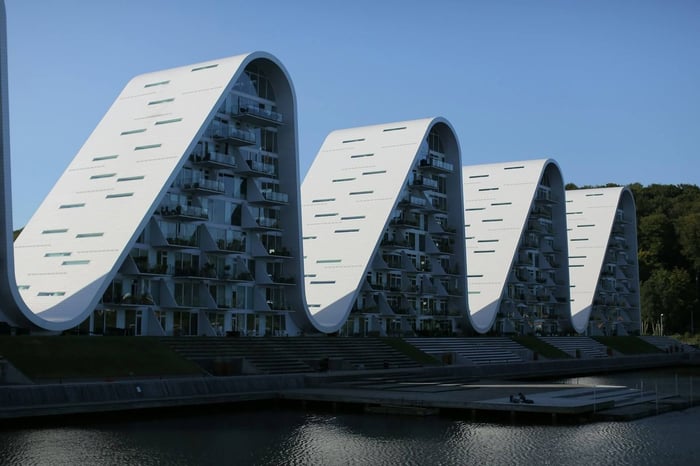
Report-ready climate risk data under ESRS E1, investment prioritisation with ROI and an interactive dashboard for continuous monitoring. Which sites got PV canopies first followed from hail and heavy-rain exposure, not from gut feeling.
If you are writing a VSME report: In the VSME standard, which the European Commission has listed as the Voluntary Standard since July 2026, climate risks sit in the comprehensive module under C4. It asks for climate-related hazards, exposure, time horizons, adaptation measures taken and financial effects. C4 only says what has to be in the report, not how to get there. Without a calculated expected loss, the financial effect is a guess.
Request a free initial assessment
Six questions, two minutes. I get back to you within five working days with a first professional assessment of your site, possible measures and suitable funding programmes.
Frequently asked questions
What does the initial assessment cost?
The initial assessment is free and without obligation. You receive a first professional view on risks, possible measures and eligible funding programmes. Any further engagement is optional and runs at a fixed price.
Which businesses is this relevant for?
Mainly manufacturing sites, warehouse and logistics locations and mixed-use commercial property, from mid-market to corporate. Particularly critical: single sites with high production concentration, basement production in heavy-rain regions and sites in flood or heat-island areas.
How independent are the recommendations?
I am vendor-independent, sell no construction products and receive no commissions from development banks or insurers. Recommendations are based solely on professional assessment.
What data do you need for the initial assessment?
Basic data from the form is enough for pre-qualification: industry, building type, site, damage history and investment window. More detailed documents such as building specifics, insurance policies or existing risk analyses are only needed once engaged.
What happens after the initial assessment?
You receive a structured action and financing plan as a PDF with prioritised recommendations, suitable funding programmes and insurance notes. Whether and how you proceed is your decision. Or you file the PDF in a drawer, at least then you know what is in it.
Which site first?
Send me your industry, postcode and investment window. Within five working days you know which hazards matter at your site and what the next step is.